
Editorial visual storytelling
Give information a visual point of view before laying out the story.
Create magazine covers, reports, cultural explainers, album worlds, and field-guide systems with a deliberate editorial voice.
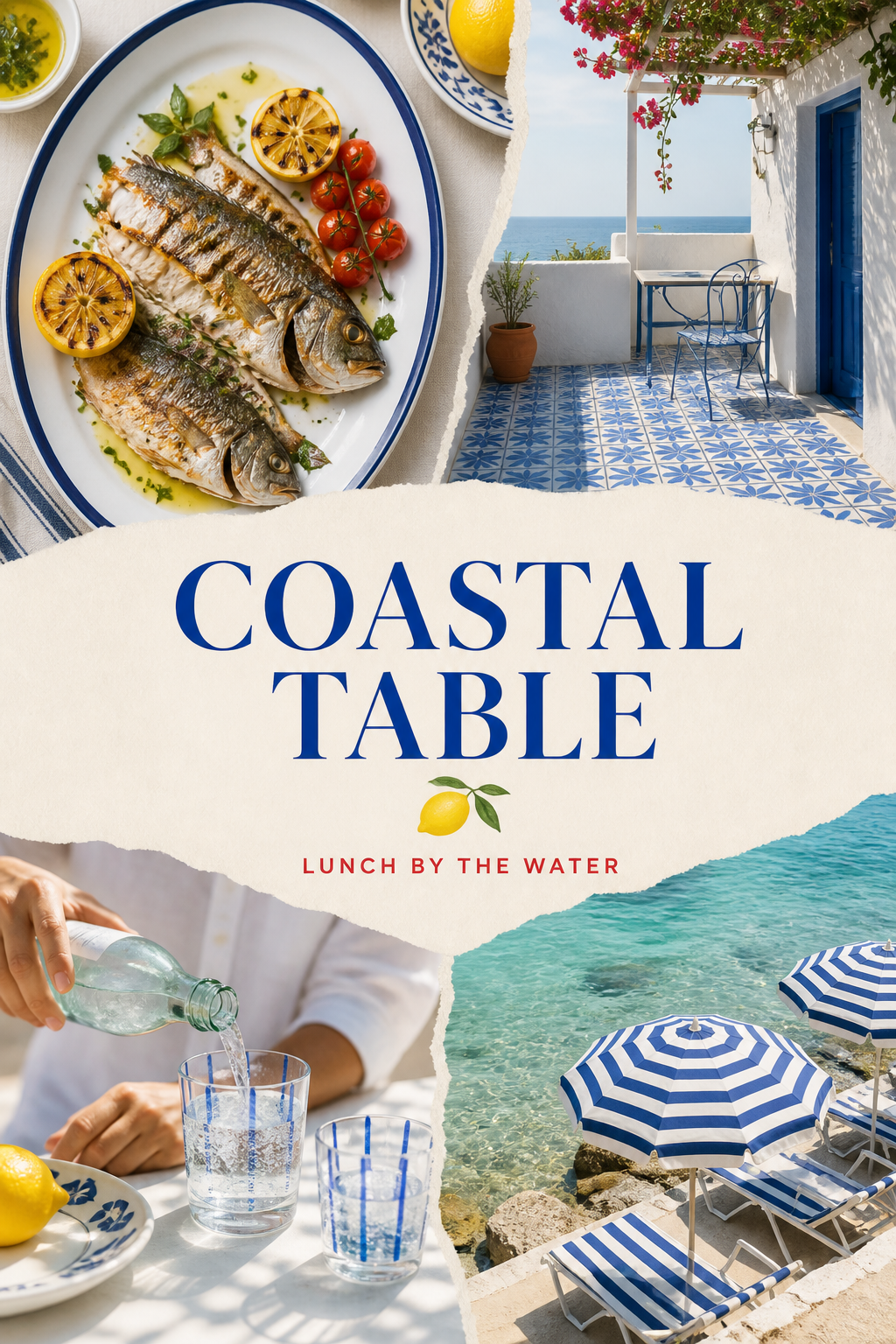
Workflow
A clear path from brief to delivery.
- 01
Define the editorial thesis
Name the subject, audience, attitude, key facts, and emotional temperature the visual system must carry.
- 02
Explore a reference direction
Use original prompts to test typography energy, photographic treatment, illustration language, and material character.
- 03
Build readable designs
Return to the Canvas for accurate hierarchy, fact checking, captions, and cross-format continuity.
Deliverable system
What stays connected across the work.
- Wide style rangeExplore magazine, infographic, collage, field-guide, paper, album, and information-design directions.
- Accurate text layerKeep factual copy, labels, dates, and credits editable after the visual direction is chosen.
- Prompt provenanceShow the model target, prompt source observations, original adaptation, variables, and real preview.
- Cross-format continuityShare assets, typography, and color across a coordinated campaign set.
- Version checkpointsSave a named immutable snapshot before a major editorial revision.
- Exact exportDeliver every selected design at its intended dimensions without mutating the project.
FAQ
Questions about editorial visual storytelling.
Are the public prompts copied from another gallery?
No. Retake records structural source observations, but the published prompt text and preview artwork are original Retake content.
Can I rely on generated labels and facts?
No. Factual editorial text should be checked and rebuilt as editable layers before delivery.
Can one direction become several formats?
Yes. An approved direction can be compiled into editable designs with native layers through the same document command boundary.